Gutter Guards vs Screens: What Works in Minnesota
2026-07-11 · Gutter Protection
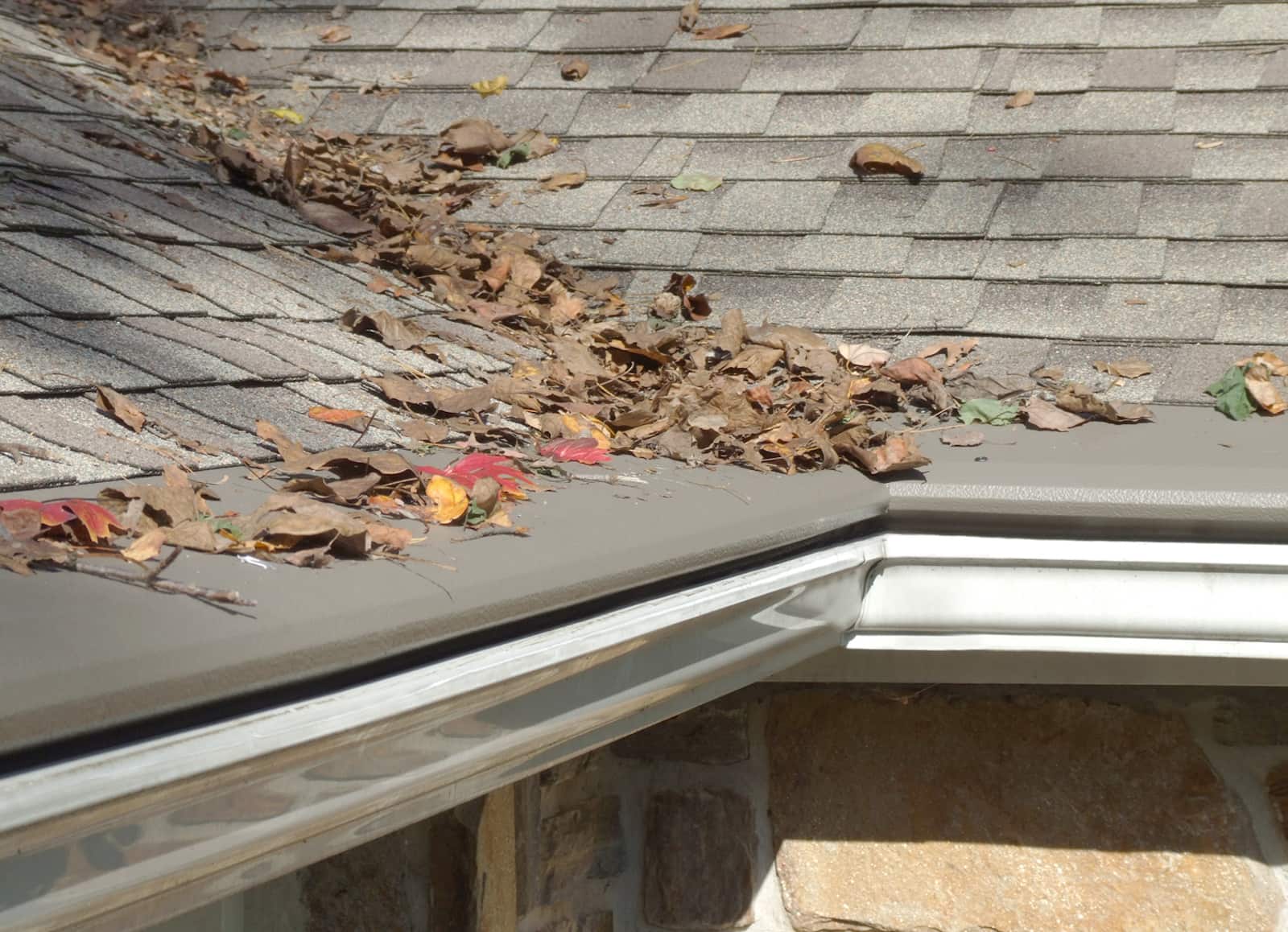
An honest Minnesota comparison of gutter guard types: why screen, mesh, micro-mesh, and foam struggle with freeze-thaw and debris, and why a solid panel holds up.
If you are comparing gutter guards versus screens, here is the part most review sites skip: the comparison that matters in Minnesota is not screen versus mesh versus micro-mesh. It is whether the product has holes at all. Every guard with openings, screen, mesh, micro-mesh, and foam included, catches the fine debris our trees drop, and once that debris sits in a freeze-thaw climate it turns into an ice anchor at the coldest edge of your roof. A solid surface-tension cover is the only category that sidesteps that trap entirely, and after installing gutter protection across the Twin Cities metro since 2001, that is the pattern owner Jeff Menke and our W-2 crews see every single February.
That is the honest lens this whole page is written through. Most "best gutter guard" roundups rank products for a national reader who never sees a Minnesota winter, and few of them ever answer the plain question of whether gutter guards work as advertised once the temperature drops. We are a family-owned company that has served more than 45,000 Minnesota and Western Wisconsin homeowners, and the guard that wins the magazine review is often the guard we get called out to fix. Want your actual roofline looked at? Call 612-509-5693 for a free in-home estimate.
Gutter Guards vs Screens: The Real Minnesota Comparison
Screens and guards are not two options on a spectrum, they are two philosophies. A screen (or mesh, or micro-mesh) tries to sieve water through openings while blocking debris on top. A solid surface-tension cover like Gutter Helmet has no openings at all: water clings to the curved nose-forward edge and follows it into the gutter while leaves and seed pods fall past to the ground. In a dry climate the sieve approach can work fine. In a Minnesota climate, the openings are the problem.
Minnesota fact: Cottonwood seed shed in early summer, pine-needle load on lakeside lots, and oak and maple leaf drop in fall are all fine enough to clog or bridge over a screen. Freeze-thaw cycling then locks that debris in place as ice.
Here is the pattern we see on service calls, sorted by guard type:
- Screen guards. Cheap and easy, but the wide openings let pine needles and shingle grit straight through, and they clog from underneath where you cannot see it. They also pop loose under snow load.
- Mesh guards. Finer than a screen, so they block more, but that also means fine debris bridges across the top and sheds water right over the edge in a hard rain.
- Micro-mesh guards. The tightest weave, marketed as the premium pick. The very fineness that blocks debris is what clogs with cottonwood seed and pollen, and once the surface glazes over, water sheets off instead of draining.
- Foam inserts. They sit inside the gutter and trap seeds and needles inside the foam itself, becoming a soaked sponge that holds water against your fascia through every freeze.
When a screen or mesh guard is actually the right call
We will say the part that might cost us the sale. If you have a small, single-story home under a clean roofline with no overhanging trees, and you are fine getting back on a ladder every couple of years to pull the guard and rinse it, an inexpensive screen can be a reasonable stopgap. Not every home needs a permanent system. If your only debris is the occasional maple leaf and you have never had an ice dam, do not let anyone talk you into more than you need. A measured look at your actual roofline is the only way to know for sure.
What Gutter Guard Is Best for a Minnesota Winter?
For a freeze-thaw climate with heavy tree canopy, the best gutter guard system is the one with no openings to clog and no way for debris to anchor ice at the eave. That is a solid surface-tension cover, and it is a different category from any screen. This is not a marketing claim, it is what our crews confirm on tear-off after tear-off across the western and northwestern suburbs.
"The homes that struggle most with ice dams are almost always the ones running a screen or micro-mesh guard that clogged by November. The debris is what feeds the dam, and a guard with holes just holds the debris up where the ice can grab it."
Gutter Helmet is a patented surface-tension cover with a solid nose-forward, bull-nose edge, mounted under your existing shingles at the same pitch as the roof. Because it has no holes, slots, or screens, there is nothing to clog and nothing to trap the cottonwood seed and pine needles that start an ice dam. It is rated to handle over 22 inches of rain per hour, which is far more than any Minnesota downpour delivers, and every installation is performed by our W-2 employees, never subcontractors, and includes a full inspection and tune-up of your existing gutter system before panels go on.
Ready to see how it fits your roof? Talk to our team at 612-509-5693, or request a free in-home estimate.
Gutter Guard Types Compared, Side by Side
Here is the quick version if you are scanning gutter guard reviews and want the differences that matter in Minnesota.
- Screen. Wide openings sieve water and block big leaves, but in Minnesota the fine debris passes through, it clogs from below, and it lifts under snow.
- Mesh. Tighter openings block more debris, but debris bridges across the top and water sheds over the edge.
- Micro-mesh. The finest weave at a premium price, but cottonwood seed and pollen glaze the surface and water sheets off.
- Foam insert. A foam block inside the gutter that traps debris inside and holds water against the fascia through every freeze.
- Solid surface-tension. A curved solid panel with no openings, so there are no holes to clog and debris simply falls to the ground.
The honest takeaway is that the first four rows all share the same failure mode here: openings plus fine debris plus freeze-thaw. The fifth row removes the openings, which removes the failure. That is why we install a solid panel and not a screen. See all of the options laid out on our gutter covers comparison page, or read the full breakdown of the solid surface-tension Gutter Helmet system.
Why the National "Best Gutter Guard" Reviews Miss Minnesota
Most gutter guard reviews rank micro-mesh at the top. For a mild climate with light debris, that ranking is defensible. The reviews just are not written for a homeowner in Maple Grove or Wayzata whose lot sheds pine needles all year and whose eaves sit below freezing for months. The debris load and the freeze-thaw cycle change the answer completely.
The lens that matters: A guard is only "best" for the climate it will actually live in. In a Minnesota winter, the winning trait is no openings, not the finest openings.
We are not knocking the products for what they are designed to do. We are pointing out that the ranking flips when you weigh cottonwood shed, pine-needle load on lakeside lots near the Chain of Lakes and Lake Minnetonka, and freeze-thaw cycling as the top factors, which is exactly what a Minnesota homeowner should do. That reweighting is the whole reason we settled on a solid surface-tension panel as the system we stand behind with a Triple Lifetime Warranty and a lifetime no-clog guarantee: if your gutters ever clog after installation, we clean them for free.
How We Compare Options for Your Home
We keep this straightforward, and we will show you the real trade-offs rather than steer you.
- You request a free in-home estimate. No charge, no obligation.
- We inspect and measure. We look at your roofline, your tree canopy, your problem edges, and where any ice dams have formed before, then explain which guard types would and would not hold up on your home.
- You get a plan in writing. We lay out the solid Gutter Helmet system, the optional Helmet Heat cable for problem eaves, financing, and current promotions, all in plain language.
- We install. Every installation is performed by W-2 employees of Gutter Helmet of Minnesota, never subcontractors, and a project is typically completed in one day on an average-sized home.
We have been doing this as a family-owned company since 2001. When you call, you are talking to the people who will actually be at your house. Ask about our current 15-Months-No-Interest financing and save-up-to-30% offer, plus Seniors and Military Veterans discounts, when you book.
Compare It on Your Own Roof
The honest answer to "gutter guards vs screens" in Minnesota is that the guard category with no openings is the one that survives our winters, and the only way to know how it fits your specific roofline is to have it measured. Start with a free in-home estimate and we will walk you through every option in writing. Want to talk first? Call 612-509-5693.
Frequently Asked Questions
Do gutter guards work in Minnesota?
Some do and some do not, and the type is what decides it. Screen, mesh, micro-mesh, and foam guards all have openings or absorbent material that catch our fine debris, cottonwood seed, pine needles, and shingle grit, and in a freeze-thaw climate that trapped debris anchors ice at the eave. A solid surface-tension cover has no openings to clog, so debris falls to the ground while water follows the curved edge into the gutter. That is why we install a solid Gutter Helmet panel rather than a screen. The best way to judge it for your home is a free in-home estimate.
What is the difference between a gutter guard and a gutter screen?
A gutter screen is one kind of gutter guard: a perforated cover that sieves water through openings while trying to block debris on top. A solid surface-tension gutter guard has no openings at all. Water clings to the curved nose-forward edge and follows it into the gutter, while leaves and seed pods fall past to the ground. In Minnesota the openings in a screen are the weak point, because fine debris passes through or bridges over and then freezes in place. The solid panel removes that weak point entirely.
Is micro-mesh the best gutter guard?
Not for a Minnesota winter. Micro-mesh is often ranked best in national gutter guard reviews because its fine weave blocks a lot of debris, but that same fineness is what glazes over with cottonwood seed and pollen here, and once the surface clogs, water sheets off instead of draining. In a freeze-thaw climate with heavy tree canopy, the best gutter guard system is a solid surface-tension cover with no openings to clog. Read the full breakdown of the Gutter Helmet system to see why.
Are solid gutter guards worth it over a cheaper screen?
For most Minnesota homes, yes. A cheap screen may cost less up front, but if it clogs from below or bridges over, you are back on a ladder cleaning it, and clogged gutters in a freeze-thaw climate feed the ice dams that damage fascia, soffits, and the foundation below. A solid Gutter Helmet panel is a one-time, permanent install backed by a Triple Lifetime Warranty and a lifetime no-clog guarantee. Preventing water damage costs far less than repairing it. A free in-home estimate is the honest way to compare the real cost for your roof.