Heat Cables for Minnesota Ice Dams: An Honest Guide
2026-06-20 · Ice Dams
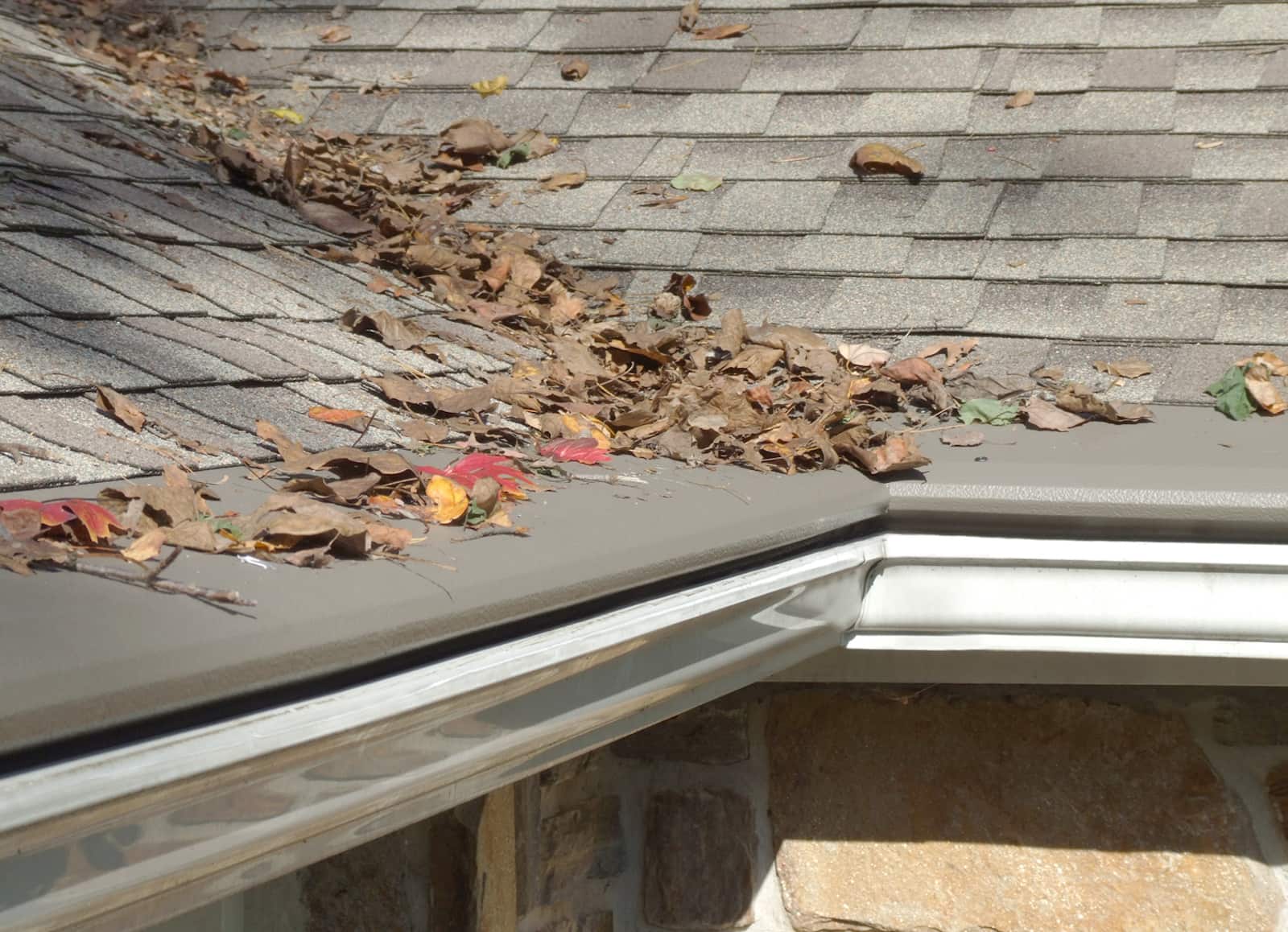
How roof and gutter heat cables work against Minnesota ice dams, where bare-gutter retrofits fall short, and why Helmet Heat runs along a Gutter Helmet panel.
If you are searching for heat cables because an ice dam already chewed through your ceiling last winter, here is the honest version most pages skip: a heat cable strung along a clogged, unprotected gutter is treating a symptom while the real cause keeps building. In Minnesota, ice dams start with debris. Leaves, cottonwood seed, and pine needles trap water in the gutter, that water freezes and backs up under the shingles, and the cable is left fighting a problem the gutter created. The fix that lasts addresses the debris first, then adds heat where it actually helps.
We have installed gutter protection across the Twin Cities metro and the western suburbs as a family-owned company since 2001, with more than 45,000 customers served. Owner Jeff Menke and our W-2 crews see the same pattern every February: the homes that struggle most with ice dams are the ones whose gutters fill with debris by November. That is the lens this guide is written through. Want it looked at directly? Call 612-509-5693 for a free in-home estimate.
How Gutter Heat Cable Helps With Ice Dams
A heat cable melts a channel so meltwater can drain instead of refreezing into a dam at the cold edge of your roof. That is the whole job. It does not warm the roof, and it does not stop snow from melting higher up. In a Minnesota winter, with freeze-thaw cycling and sub-zero stretches, the cable keeps a path open along the gutter and downspout so water exits rather than pooling and refreezing at the eave.
The catch is what sits in the gutter. A cable threaded through a gutter packed with last fall's oak and maple leaves cannot keep a clear channel, because the debris itself holds water and ice. This is why so many bare-gutter cable retrofits underperform here.
- The cable heats the debris, not a clear drainage path
- Trapped organic matter refreezes faster than the cable can melt it
- Clogged sections still back up under the shingles
- You are still on a ladder cleaning the gutter every season
That is the gap our Helmet Heat accessory is built to close, and the next section explains how.
Heat Cable for Roofs in Minnesota: Where the Edge Matters Most
The leading edge of the roof, where the gutter meets the cold overhang, is where Minnesota ice dams form. That edge stays below freezing even when snow higher up is melting in afternoon sun, so meltwater runs down, hits the cold eave, and freezes. Concentrating heat right at that edge is the point of an effective system. Spraying it across the whole roof is neither necessary nor how these systems are designed.
Helmet Heat is a low-voltage, self-regulating heated cable accessory that runs along the leading edge of the Gutter Helmet panel. It is engineered for sub-zero Minnesota winters and ice-dam mitigation, and it is installed as an add-on to a Gutter Helmet installation, not as a stand-alone retrofit to bare gutters. That distinction is the entire argument of this guide.
Self-regulating means the cable adjusts its own output to the temperature, putting heat where the cold is worst and easing off where it is not.
Because Gutter Helmet is a patented surface-tension cover with a solid nose-forward edge mounted under your existing shingles at the same pitch as the roof, the gutter underneath stays clear of the leaves and seedpods that cause the trouble. Helmet Heat then keeps a drainage path open at that clear edge. Helmet Heat helps prevent the debris buildup that contributes to ice dams by working as part of a system that keeps the gutter clear in the first place. Ready to talk it through? Talk to our team at 612-509-5693.
Are Gutter Heaters Worth It in Minnesota? The Honest Answer
For a lot of Minnesota homes, yes, but only as part of a clear, protected gutter, not bolted onto a gutter that is going to clog again by fall. A heater fighting a debris-packed gutter is money spent on a symptom. A heater on a Gutter Helmet panel is heat applied where it can actually keep water moving, which is the whole idea behind heated gutters built for Minnesota winters.
Here is who genuinely benefits:
- Homes with north-facing eaves and long stretches of shaded roof edge that stay frozen
- Homes under mature elm, oak, and cottonwood canopies that drop heavy debris loads
- Lakeside and river-corridor lots near the Chain of Lakes, Lake Minnetonka, and the Mississippi and Rum river corridors, where pine-needle and leaf load is constant
- Homes that have already had an ice dam force water back under the shingles once
When a heat cable is NOT the right call
We will say the part that might cost us the sale: if your gutters are already protected, draining cleanly, and you have never had an ice dam at that section of roof, you may not need a heat cable there at all. Heat cable is targeted protection for problem edges, not a blanket every home requires. If your real issue is attic insulation and ventilation letting heat escape and melt the snowpack, no cable fixes that, and we will tell you so rather than sell you one. A measured look at your actual roofline is the only way to know.
Heat Cable Versus the Root Cause: Why the Order Matters
Most ice-dam pages treat heat cable as the answer. We treat it as the second half of an answer. The first half is keeping the gutter clear so meltwater has somewhere to go.
Think of it as two layers working together:
- The protected gutter. Gutter Helmet sheds the leaves, cottonwood seed, and pine needles that would otherwise trap water and feed an ice dam. It is rated to handle over 22 inches of rain per hour and carries a Triple Lifetime Warranty and a lifetime no-clog guarantee.
- The targeted heat. Helmet Heat runs along the leading edge of that already-clear panel and keeps a drainage channel open at the cold eave through the worst of a Minnesota winter.
A cable on a bare, clogging gutter only ever delivers the second layer, which is why it disappoints. The two layers together address both the debris and the freeze.
Pairing protection with heat is also the cleanest way to buy once. Our crews can add seamless gutters, Gutter Helmet, and Helmet Heat in one project so the whole edge is handled at the same time.
How We Quote and Install Helmet Heat
We keep this simple, and the heat is always specified as part of the larger gutter project.
- You request a free in-home estimate. No charge, no obligation.
- We measure and inspect. We look at your roofline, the problem edges, your existing gutters, and where ice dams have formed before.
- You get a plan in writing. We lay out the Gutter Helmet and Helmet Heat options together, with financing and current promotions explained.
- We install. Every installation is performed by W-2 employees of Gutter Helmet of Minnesota, never subcontractors, and includes a full inspection and tune-up of your existing gutter system before panels go on.
Ask about our current 15-Months-No-Interest financing and save-up-to-30% offer, plus Seniors and Military Veterans discounts, when you book. To get started, call 612-509-5693 or request a free in-home estimate.
Frequently Asked Questions
Do roof heat cables prevent ice dams?
Not on their own, and any page that promises that is overselling. A heat cable keeps a drainage channel open at the cold edge of the roof so meltwater can exit instead of refreezing into a dam. It does not warm the roof or stop snow from melting higher up, and a cable strung through a debris-clogged gutter cannot keep a clear path at all. The lasting approach is to keep the gutter clear first with Gutter Helmet, then add Helmet Heat along the leading edge so the cable works on a clear channel rather than fighting trapped leaves and ice.
Are gutter heaters worth it in Minnesota?
For many Minnesota homes, yes, but the value depends entirely on the gutter underneath. On a protected, free-draining gutter, a heater keeps water moving at the problem edge through freeze-thaw cycling and sub-zero stretches. On a bare gutter that clogs every fall, it is heating debris instead of a drainage path. Helmet Heat is designed as an add-on to a Gutter Helmet installation for exactly this reason. The honest way to know if it is worth it for your roof is a free in-home estimate where we look at your actual problem edges.
Can I add Helmet Heat to my existing bare gutters?
Helmet Heat is an accessory to a Gutter Helmet installation, not a stand-alone retrofit to bare gutters. It runs along the leading edge of the Gutter Helmet panel, so the protected gutter and the heated cable work as one system. If you have bare gutters today, we would scope the Gutter Helmet protection and the Helmet Heat together as a single project. Call 612-509-5693 and we will measure your roofline and explain the options in writing.
What is Helmet Heat, exactly?
Helmet Heat is a low-voltage, self-regulating heated cable accessory engineered for sub-zero Minnesota winters and ice-dam mitigation. Self-regulating means it adjusts its own output to the temperature, concentrating heat where the cold is worst along the leading edge of the Gutter Helmet panel. It helps prevent the debris buildup that contributes to ice dams by working as part of a system that keeps the gutter clear and a drainage channel open at the eave.