Best Gutter Guards in Minnesota: Honest Comparison
2026-08-08 · Gutter Protection
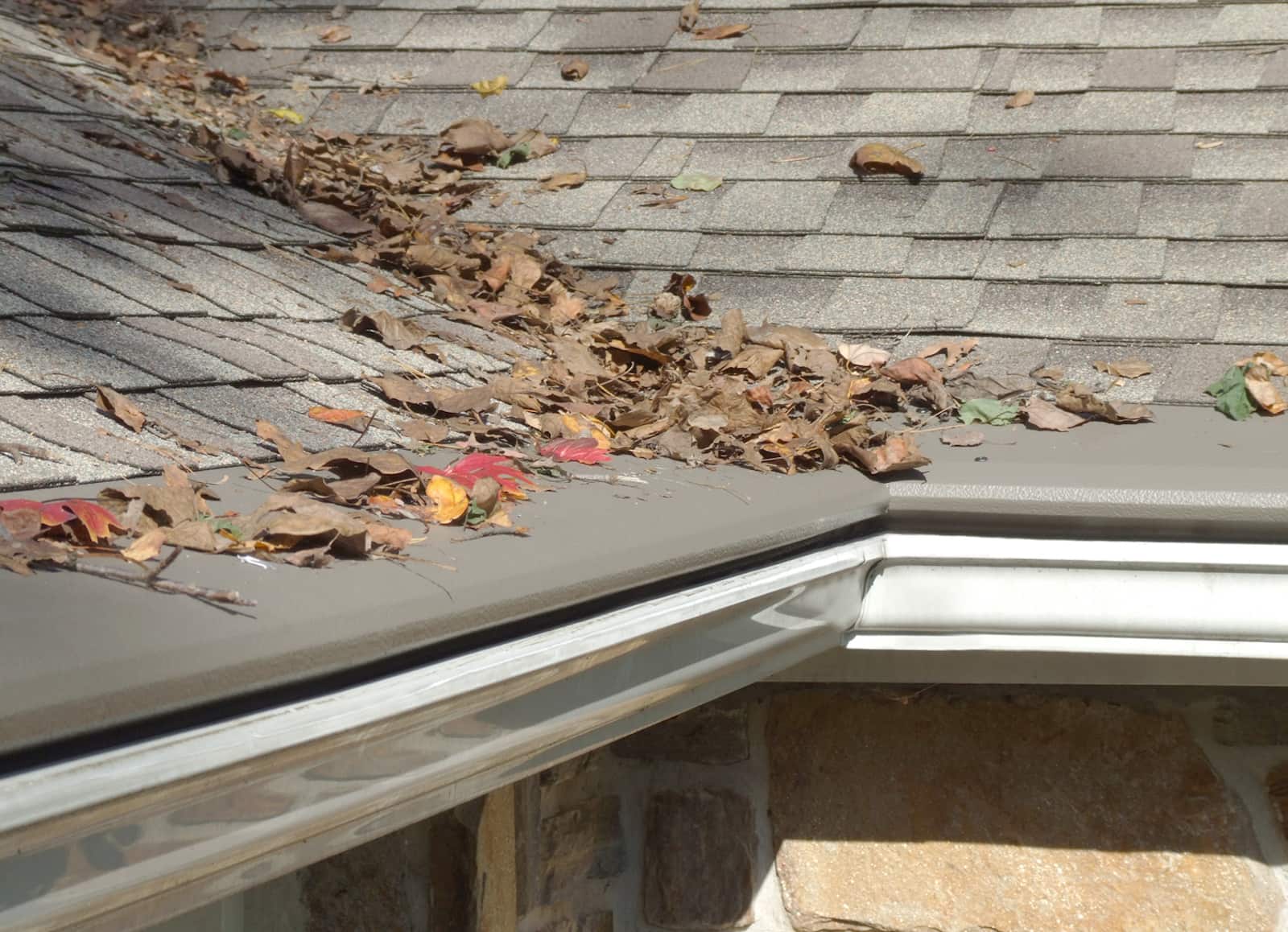
A category-by-category comparison of gutter guards for Minnesota homes: solid surface-tension covers versus micro-mesh, screens, brush, and foam in freeze-thaw winters.
Search "best gutter guards" and you get the same ranked list on every site, usually written by someone who has never watched a micro-mesh panel glaze over with ice in a Coon Rapids February. Here is the part those lists skip: the best gutter guard depends entirely on the climate it has to survive, and Minnesota is one of the hardest in the country. We have installed gutter protection across the Twin Cities metro and the western suburbs as a family-owned company since 2001, with more than 45,000 customers served, and owner Jeff Menke and our W-2 crews have pulled every guard type on this list back off a roofline after a Minnesota winter beat it. This is the honest category comparison, freeze-thaw and all. Want your own roofline looked at directly? Call 612-509-5693 for a free in-home estimate.
Best Gutter Protection in Minnesota: The Short Answer
For a Minnesota freeze-thaw climate with heavy snow load and dense tree canopy, the best gutter protection is a solid surface-tension gutter cover mounted under your existing shingles at the same pitch as the roof. It has no holes, slots, or screens, so debris sheds off the front instead of collecting on top, and there is no opening for meltwater to refreeze inside. Every other category, micro-mesh, screen, brush, and foam, gives snow, ice, or grit somewhere to sit, and that is what fails here.
<aside class="my-6 rounded-md border border-border bg-accent p-4 text-sm"><strong>Minnesota fact:</strong> The deciding test in this climate is not how finely a guard filters leaves in fair weather. It is whether the guard sheds a wet spring snowpack and freeze-thaw ice, or holds them. Most "best of" reviews never test the second thing.</aside>
That is the whole conclusion up front. The rest of this guide walks category by category so you can see why each option lands where it does, because the reason matters more than the ranking.
Gutter Guards vs Micro-Mesh vs Screens vs Foam: The Category Comparison
Gutter guards split into a handful of real categories, and they behave very differently once the temperature drops below freezing and stays there. Here is how each one holds up against a Minnesota winter and a Minnesota debris load.
- Solid surface-tension gutter cover (the category we install). A patented nose-forward design with a solid bull-nose edge, mounted under the shingles at the roof pitch. Water clings around the nose and into the gutter while leaves, cottonwood seed, and pine needles slide off the front. No flat surface for snow to load, no opening for ice to form inside. Rated to handle over 22 inches of rain per hour.
- Micro-mesh guards. A fine stainless or steel screen over a frame. Filters small debris well in mild climates, but the weave glazes over with an ice film in freeze-thaw, and pollen, shingle grit, and fine seed can blind the mesh so it needs occasional brushing to keep draining.
- Screen guards. Wide-opening perforated or slotted panels. Cheap and easy, but they let grit and small debris through, and the flat span sags or pops loose under wet snow.
- Brush guards. A bristled cylinder that sits in the trough. Debris catches in the bristles, which then hold moisture that freezes into a solid core over winter.
- Foam inserts. A foam wedge that fills the gutter. It soaks up meltwater, freezes into a block, and expands, and that expansion is what splits gutter seams over a Minnesota winter.
<blockquote class="my-6 border-l-4 border-primary pl-4 italic text-foreground/85">"Every category on that list works fine in a mild climate. The reason they get ranked so differently here is that Minnesota adds two tests, snow load and freeze-thaw, that a lot of guards were never built to pass."</blockquote>
The honest through-line is this: the four filtering categories all keep debris or water at the gutter, and the cold turns that into ice. A Gutter Helmet surface-tension gutter cover is the one category that moves debris off the roof entirely, which is why it is the one we settled on and back with a Triple Lifetime Warranty and a lifetime no-clog warranty.
Gutter Guards vs Leaf Filter Micro-Mesh: The Comparison People Actually Search
Micro-mesh is the guard most Minnesota homeowners are comparing against when they call us, so it deserves a direct, fair look. Micro-mesh filters fine debris better than a wide screen, and on a mild-climate roof with light leaf load it performs well. The two honest limitations show up here specifically: the fine weave can blind over with pollen, shingle grit, and fine seed and needs occasional brushing to keep draining, and in freeze-thaw the mesh glazes with an ice film that sends meltwater sheeting off the front to refreeze at the eave.
<aside class="my-6 rounded-md border border-border bg-accent p-4 text-sm"><strong>The fair framing:</strong> This is not a knock on micro-mesh as a product. It is a different mechanism. Micro-mesh filters water through a screen. A surface-tension cover carries water around a solid nose. In a climate that freezes the screen, the mechanism that has no screen has the advantage.</aside>
The surface-tension approach avoids both limitations by design, because there is no mesh to blind and no opening to glaze. The solid surface-tension gutter cover uses the patented nose-forward design to pull water into the gutter while everything else, including snow, slides off the bull-nose edge the same way it slides off your shingles. If you want the full Minnesota-winter head-to-head on every guard type, our page on gutter guards in Minnesota lays it out roofline by roofline. Ready to compare on your own house? Call 612-509-5693.
When you may not need a premium guard at all
We will say the part that might cost us the sale. If you are on a clean, open lot in a newer subdivision like Woodbury or Rosemount, with no overhanging trees and no history of ice dams, an inexpensive screen you rinse every couple of years may be all you need for now. Not every home requires a permanent system. If your only debris is a stray maple leaf a few times a year, do not let anyone, including us, talk you into more than your roofline calls for. A measured look is the only honest way to know.
Why Minnesota Winter Is the Test That Sorts the List
Most gutter guard rankings are written for a national audience, so they score products on fair-weather filtering and quietly ignore what a real winter does. In the western and northwestern Twin Cities suburbs, that is the wrong test. Our guards spend December through March under snow, not leaves, and the deciding factor is whether the guard carries that weight and ice or sheds it.
<blockquote class="my-6 border-l-4 border-primary pl-4 italic text-foreground/85">"We stopped judging guards by how fine the mesh is years ago. Out here the real question is what happens when a foot of wet snow sits on it for a week and then the temperature swings 40 degrees. That is the test that reshuffles every ranking."</blockquote>
Freeze-thaw cycling is relentless here. A metro roofline can swing from a sunny 35-degree afternoon to a sub-zero night dozens of times a season, and every swing is a chance for trapped water to expand into ice and pry a guard loose or split a seam. Lakeside and river-corridor lots near the Chain of Lakes, Lake Minnetonka, and the Mississippi and Rum river corridors pile a constant pine-needle and leaf load on top of the snow. A solid surface-tension panel is the only category that removes both problems at once: nothing sits on top to load it, and nothing gets inside to freeze. On the worst ice-dam-prone eaves, the north-facing edges and long shaded runs, we add Helmet Heat along the leading edge of the panel, always as an add-on to a Gutter Helmet installation and never as a stand-alone retrofit to bare gutters.
How We Compare Guards for Your Roof
We keep this straightforward, and we will show you the real trade-offs rather than steer you.
- You request a free in-home estimate. No charge, no obligation.
- We inspect and measure. We look at your roofline, your tree canopy, the eaves that hold snow longest, and where any ice dams have formed before, then explain which guard categories would and would not survive your winters.
- You get a plan in writing. We lay out the solid Gutter Helmet system, the optional Helmet Heat cable for problem eaves, financing, and current promotions, all in plain language.
- We install. Every installation is performed by W-2 employees of Gutter Helmet of Minnesota, never subcontractors, and a project is typically completed in one day on an average-sized home.
We have been doing this since 2001. When you call, you are talking to the people who will actually be at your house. Ask about our current 15-Months-No-Interest financing and save-up-to-30% offer, plus Seniors and Military Veterans discounts, when you book. To get started, call 612-509-5693 or request a free in-home estimate.
Frequently Asked Questions
What is the best gutter protection for a Minnesota home?
For a freeze-thaw climate with heavy snow load and dense tree canopy, the best gutter protection is a solid surface-tension gutter cover with no openings to clog and no flat surface for snow and ice to load on. It is a different category from any screen, mesh, or micro-mesh product. It mounts under your existing shingles at the same pitch as the roof, sheds debris and snow off the front, and is rated to handle over 22 inches of rain per hour. We stand behind it with a Triple Lifetime Warranty and a lifetime no-clog warranty. See how it compares against every other option in our guide to gutter guards in Minnesota, then get your roofline measured with a free in-home estimate.
How do the Consumer Reports best gutter guards ratings apply to Minnesota?
General gutter guard ratings and roundups are a useful starting point, but almost all of them test for fair-weather debris filtering rather than snow load and freeze-thaw, which are the two factors that actually decide performance in Minnesota. A guard that rates well nationally can still glaze over with ice, sag under wet snow, or split a seam here. The honest way to apply any national rating to your home is to weight it for what a Minnesota winter does, then have your actual roofline measured. That is exactly what a free in-home estimate is for.
Do gutter guards work in snow and ice?
A solid, roof-pitched surface-tension cover does, and flat or perforated guards generally do not. In snow and ice the deciding factors are whether snow slides off the guard or loads on top of it, and whether meltwater can refreeze inside. Screens and mesh give snow a flat surface to pile on and openings for ice to form in, so they clog and can collapse, while foam soaks up water and freezes into an expanding block. A solid Gutter Helmet cover sheds wet snow the same way your shingles do and keeps the gutter clear underneath. The best way to judge it for your roof is a free in-home estimate.
How is a surface-tension cover different from micro-mesh?
They use opposite mechanisms. Micro-mesh filters water down through a fine screen, which can blind over with pollen and grit and needs occasional brushing, and glazes with ice in freeze-thaw. A surface-tension gutter cover has no screen at all: its patented nose-forward design carries water around a solid bull-nose edge and into the gutter while debris and snow slide off the front. In a climate that freezes screens, the option without a screen has the advantage. We would be glad to show you both on your own roofline during a free in-home estimate; call 612-509-5693.